
Building Inspections
A clear, independent review of the property’s visible condition before you make an important decision.
Introduction
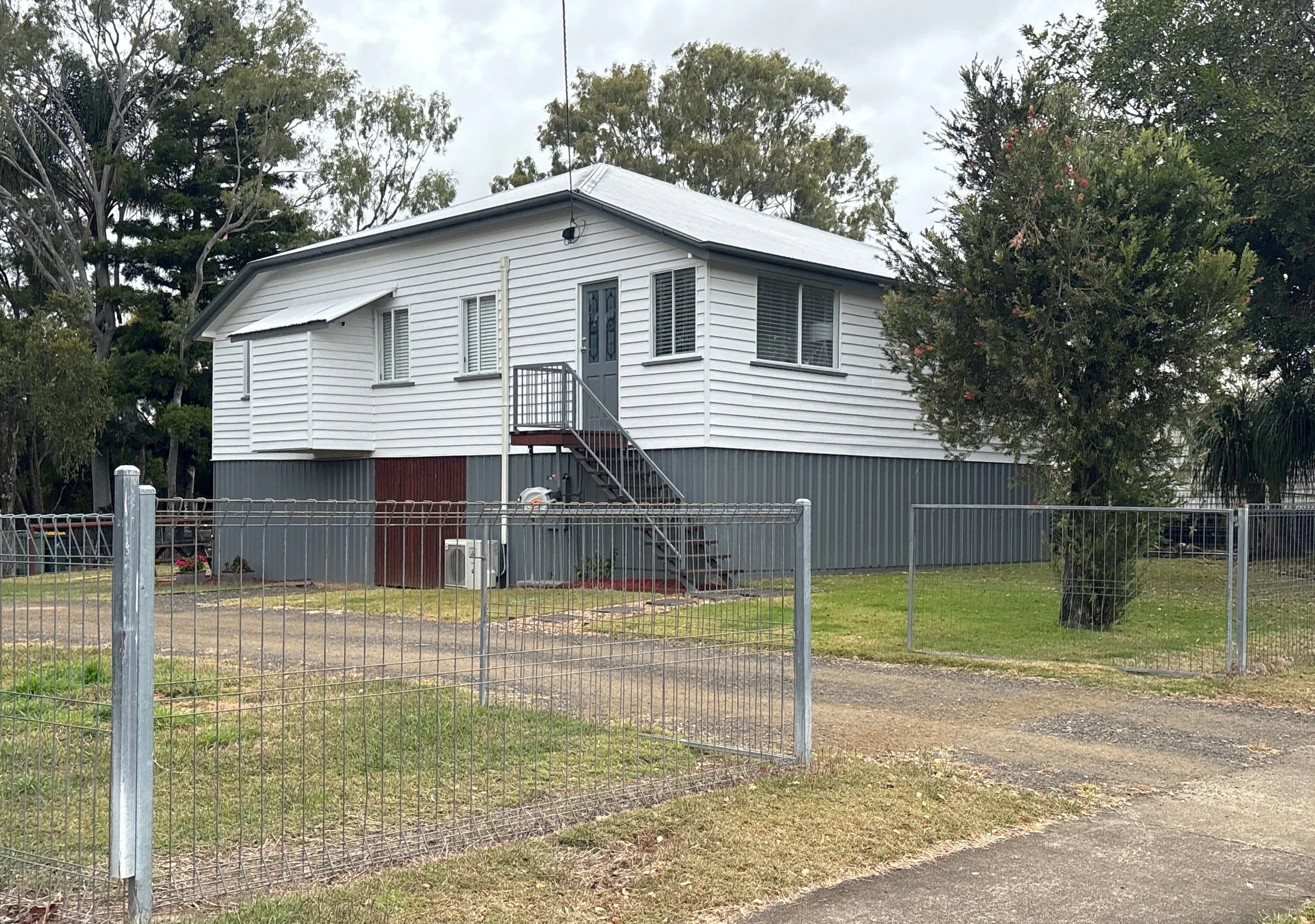
A building inspection helps you understand the visible condition of a property before purchase, sale, renovation, or ongoing maintenance decisions.
A building inspection is your safety net against costly surprises. Whether you’re buying your first home, adding to a property portfolio, or getting ready to sell. A professional building inspection identifies the defects, safety hazards, and maintenance issues that aren’t visible during a standard walk-through.
At Astute Building & Pest Inspections, we inspect with care and report with clarity so you know what you are dealing with, what needs attention, and what may warrant further advice.
What We Inspect
Our building inspections are conducted in accordance with Australian Standard AS 4349.1-2007 and cover all reasonably accessible areas
Site & Surroundings
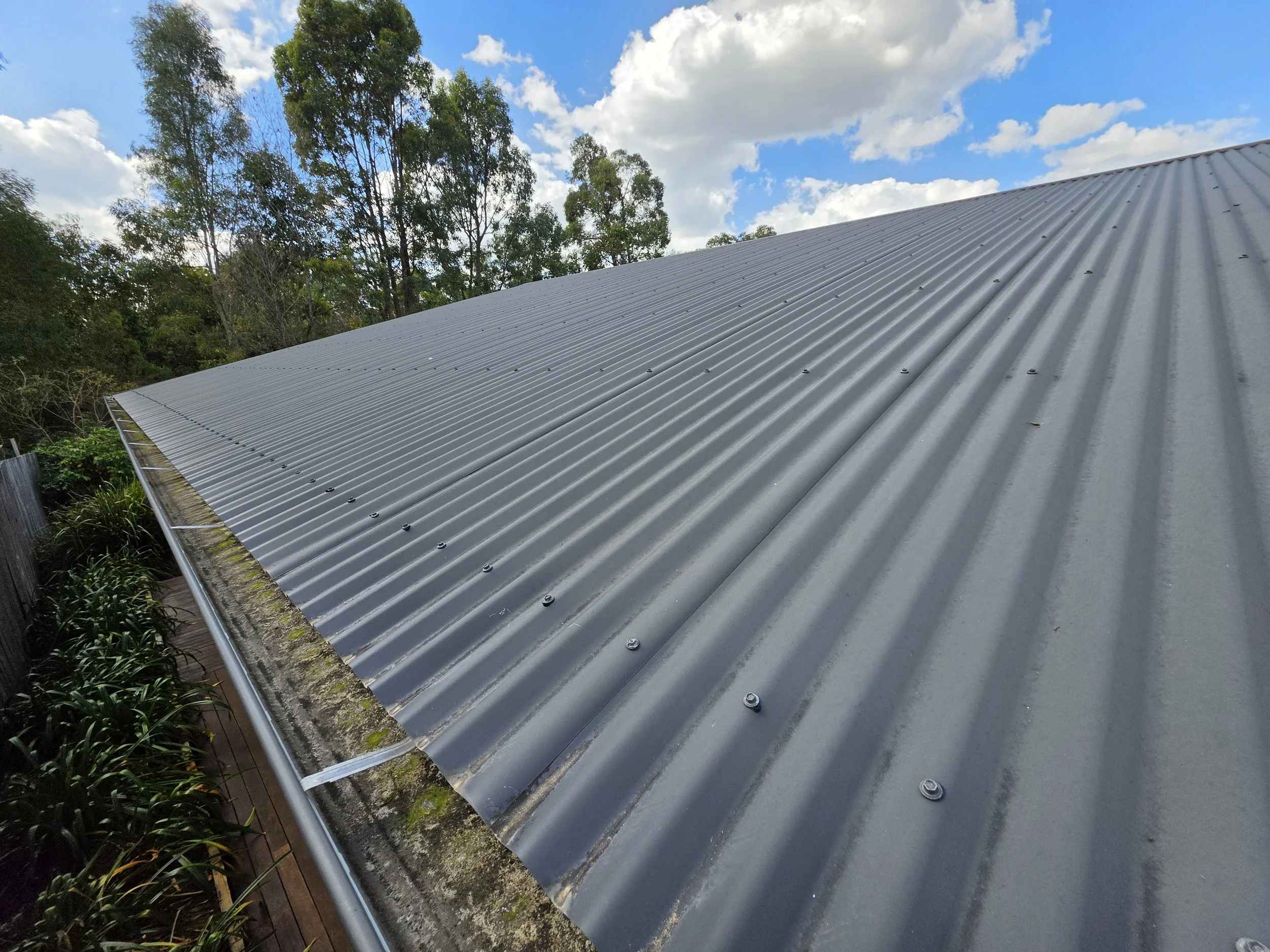
Surface water drainage, site grading, fencing, retaining walls, and any other structures within the property boundary, within 30m of the main building. Poor drainage and site grading are among the most common contributors to structural movement in Queensland homes.
Roof Exterior
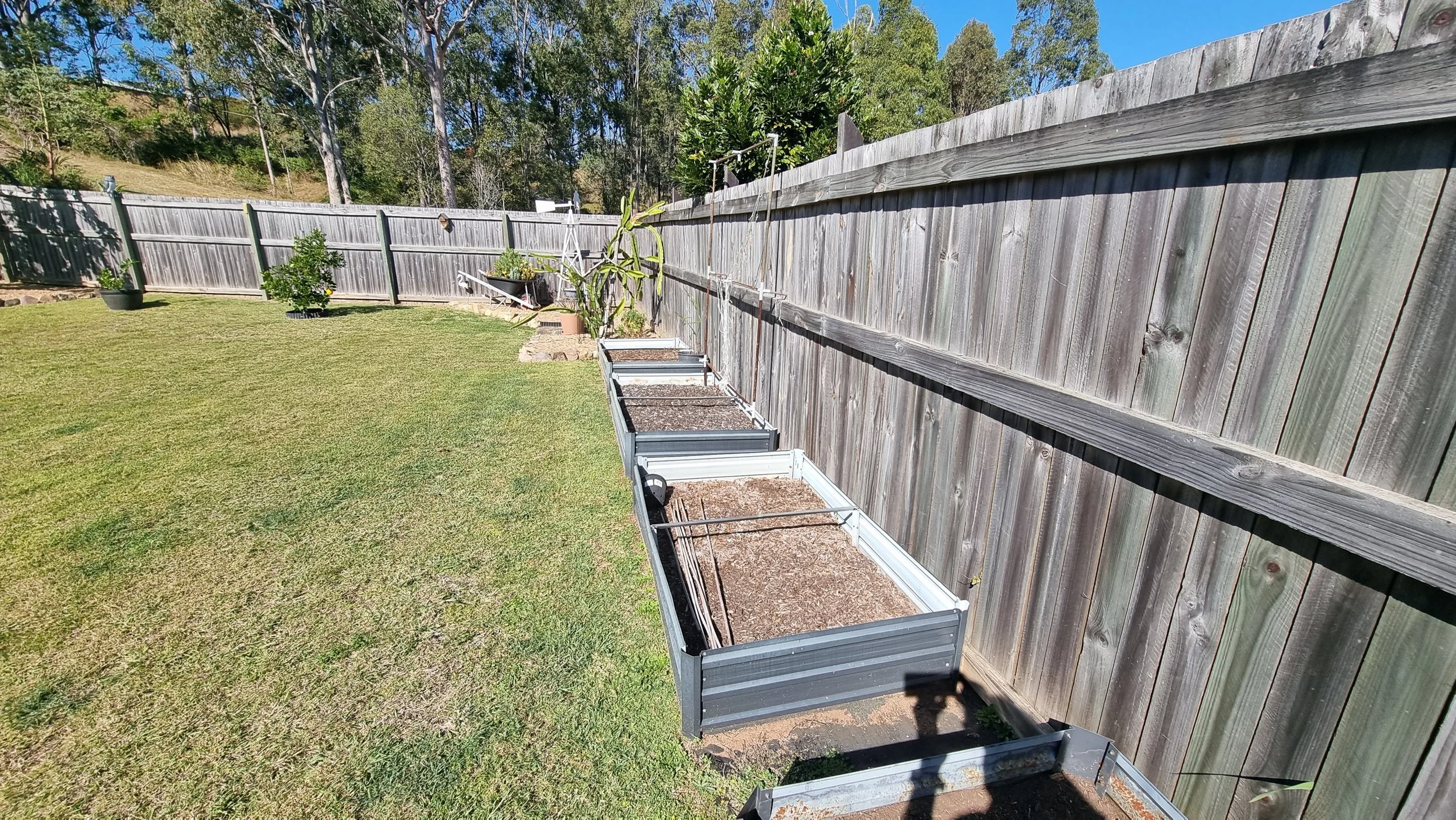
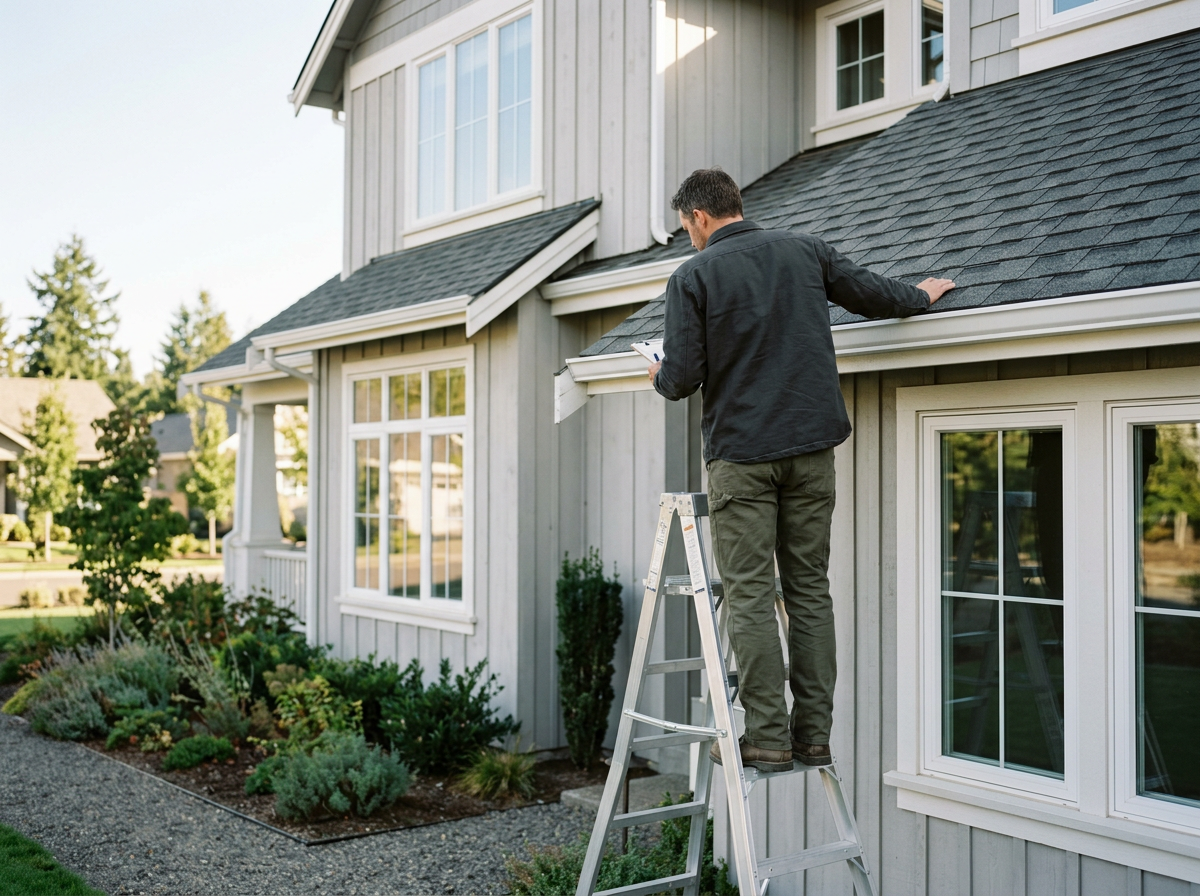
Roof cladding, ridges, valleys, flashings, penetrations, gutters, and downpipes. We assess for cracked or missing tiles, corroded sheeting, compromised waterproofing, and other issues that could lead to water ingress. As WHS regulations prevent us from getting on the roof, we check it thoroughly from a ladder, wherever it’s safe and accessible.
Exterior
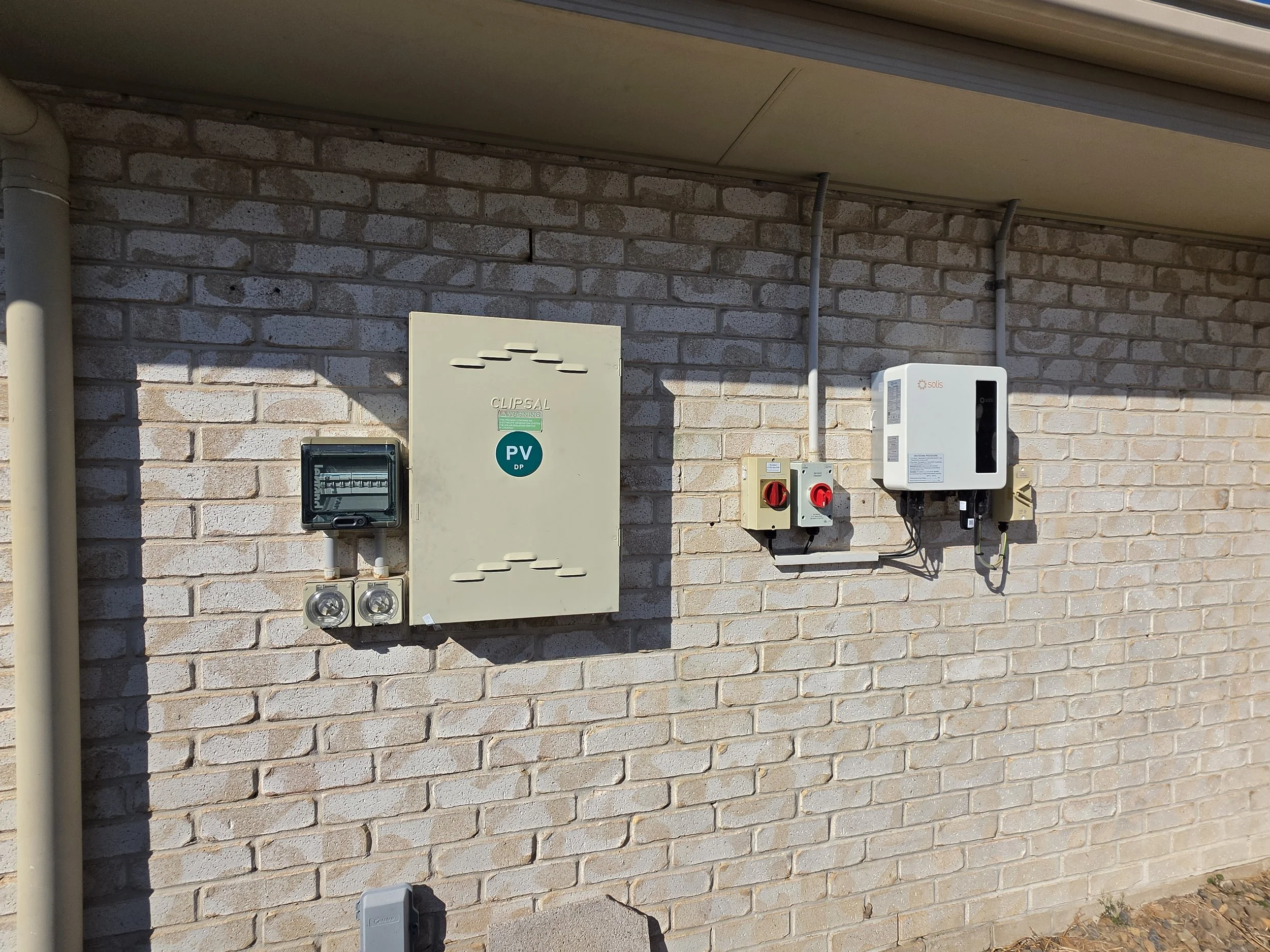
External walls, cladding, brickwork, render, paintwork, windows, doors, eaves, fascia, gutters, downpipes, balconies, decks, pergolas, carports, garages, driveways, paths, steps, and retaining walls. We look for cracking, weathering, drainage issues, structural movement and significantly degraded finishes.
Interior
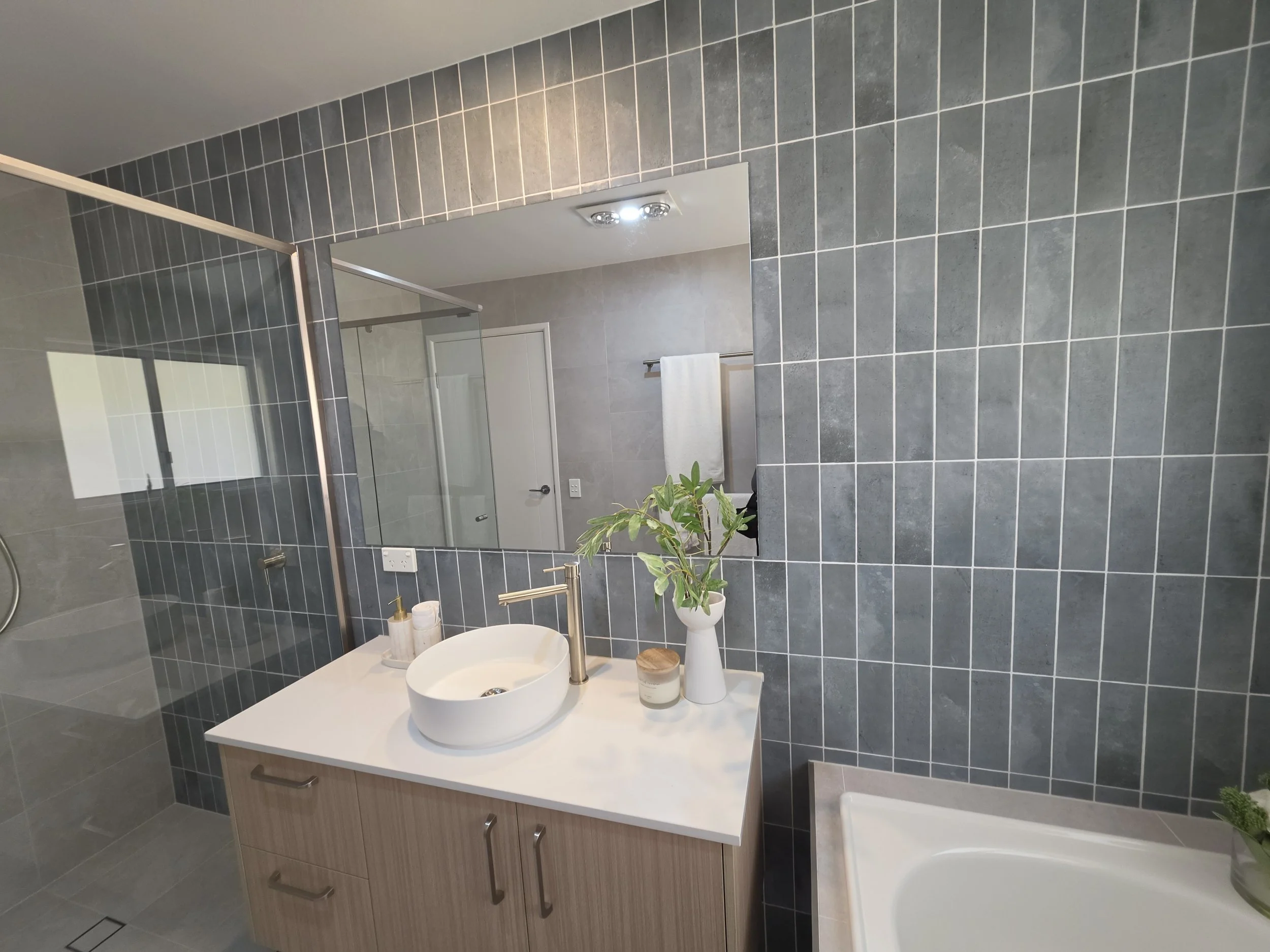
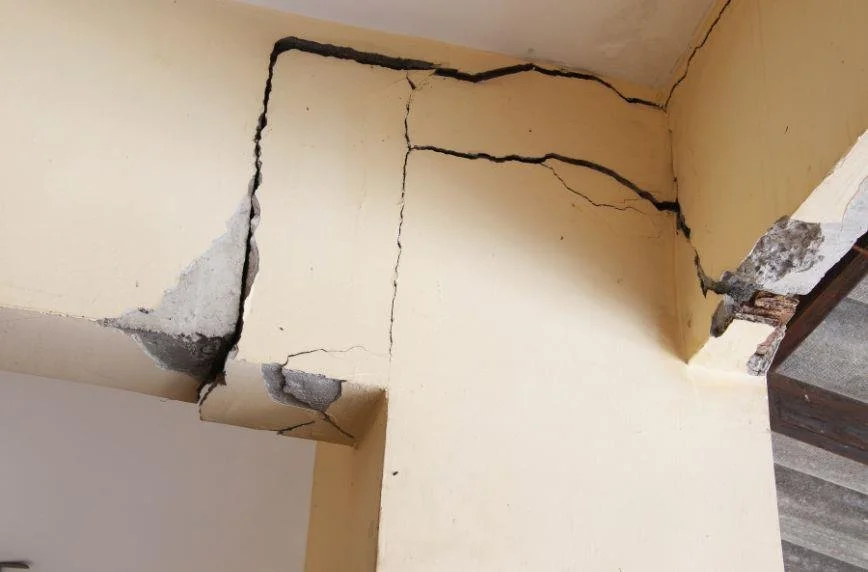
Walls, ceilings, floors, windows, doors, stairs, built-in fittings, wet areas (bathrooms, laundry, kitchen), and internal structural elements. We check for cracking, movement, moisture damage and degraded finishes of internal building elements.
Roof Space
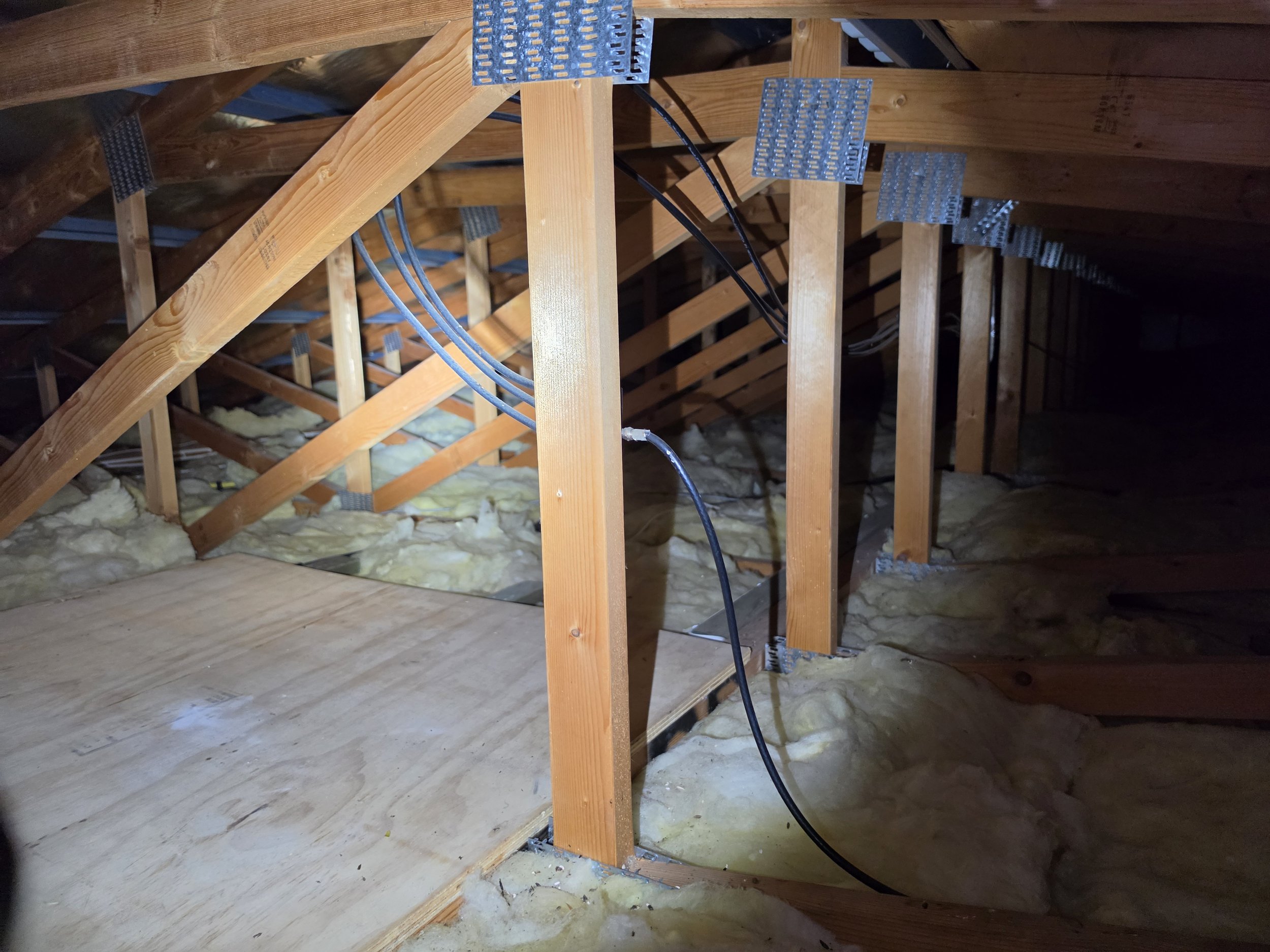
Framing, trusses, bracing, insulation, ventilation, plumbing, and electrical (visual only). The roof space often reveals issues invisible from inside the house — including water damage, chemical delignification, damaged roof cladding or evidence of past repairs. We access the roof void from a ladder wherever it is safe and reasonably accessible.
Sub-Floor
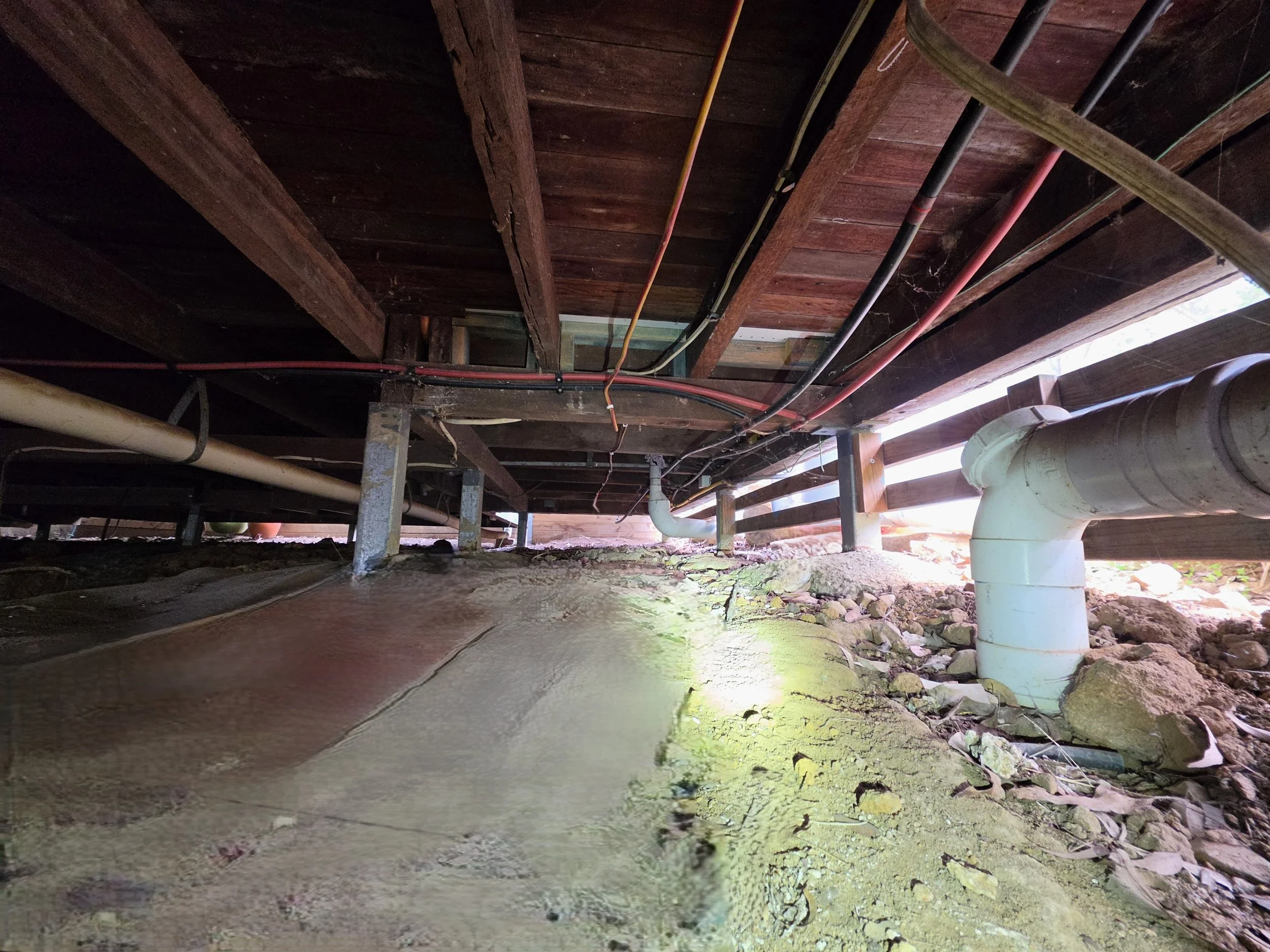
Bearers, joists, stumps, piers, bracing, ventilation, drainage, and plumbing. The sub-floor is one of the most commonly neglected areas of a property and can reveal foundation movement, inadequate support, moisture problems, and timber deterioration. We physically enter the sub-floor area wherever it is safe and accessible.
Report Categories
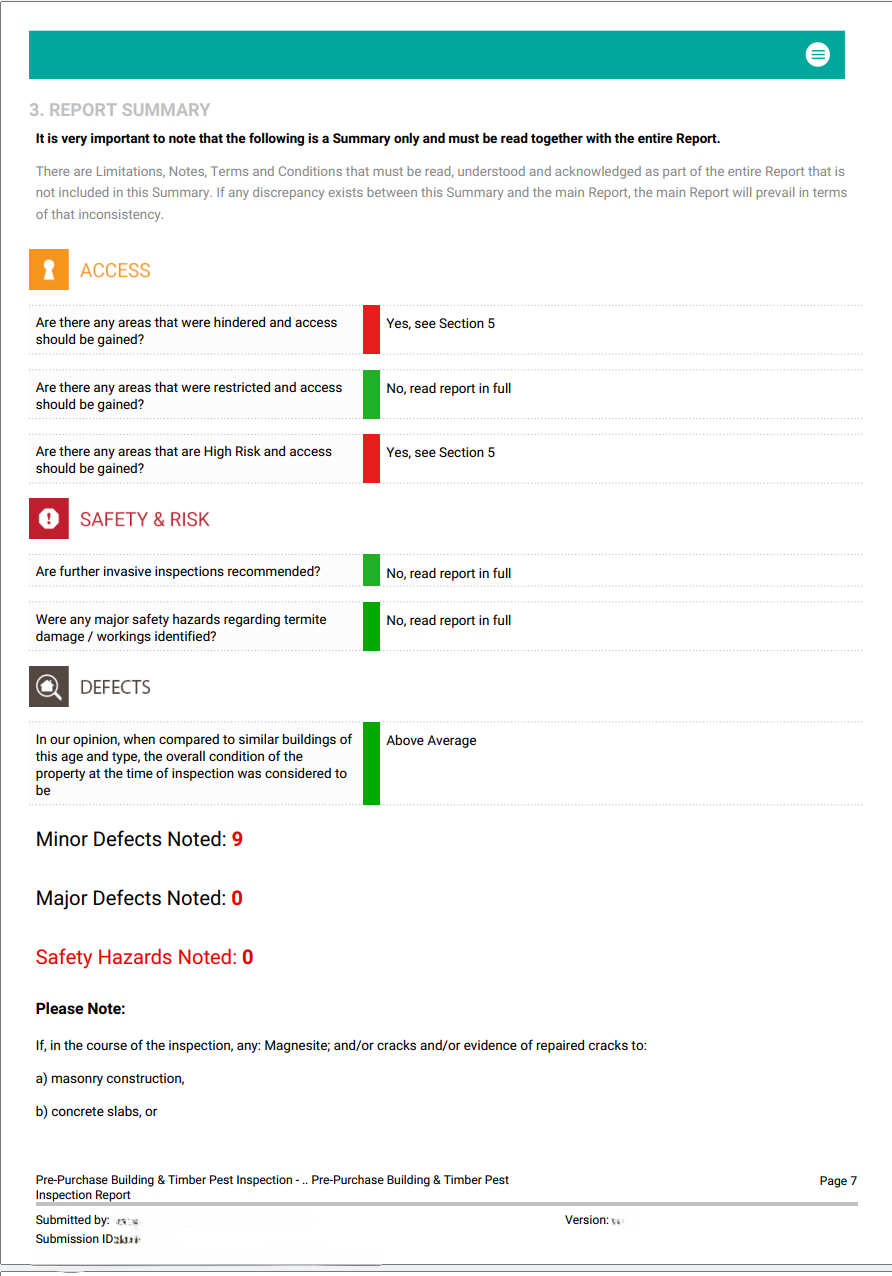
Our building inspection report classifies findings into three levels:
1. Minor Defects
A minor defect is other than a major defect (described below). We do not list all minor defects but certainly enough that the client can get a good overall idea of the property’s present condition. Examples include minor cracking of drywall, deteriorating seals, flaking paint, or small areas of timber decay etc.
2. Major Defects
These defects can be described as being of sufficient magnitude where rectification has to be carried out in order to avoid unsafe conditions, loss of utility or further deterioration of the property. Examples include structural cracking, foundation movement, major water damage and safety hazards.
3. Safety Hazards
Safety hazards, while being a major defect are listed separately in order to make them more obvious to the report reader. Examples may include handrails which do not comply with building standards, loose or rotted treads or flooring boards, cracked and displaced floor tiles, trip hazards (often found outside at driveways and paths), slippery surfaces due to leaks, and more.
Where appropriate, we’ll recommend that a specialist be engaged for further assessment; for example, a structural engineer for significant cracking, or an electrician for suspected wiring issues etc.
Comprehensive Reporting
We believe reports should be useful, not confusing. That is why our reports are written in plain English and structured to help you quickly understand:
What was found
Its significance in relation to property utility
What needs attention, urgent or otherwise
Where specialist follow-up is recommended
Reports include colour photographs, clear descriptions, and practical recommendations. We encourage you to attend the inspection in person where possible. Walking the property with our inspector once he’s finished, gives you the opportunity to see the issues firsthand and ask questions on the spot.
Why It Matters
Understand the property before settlement
Reduce the risk of expensive surprises
Prioritise repairs and maintenance
Negotiate more confidently where needed
Make decisions with greater clarity
A property can look fine on the surface while still hiding costly issues. A building inspection helps make you well informed.
Who Needs a Building Inspection?
Pre-purchase buyers
Protect yourself before you sign the contract.
Property investors
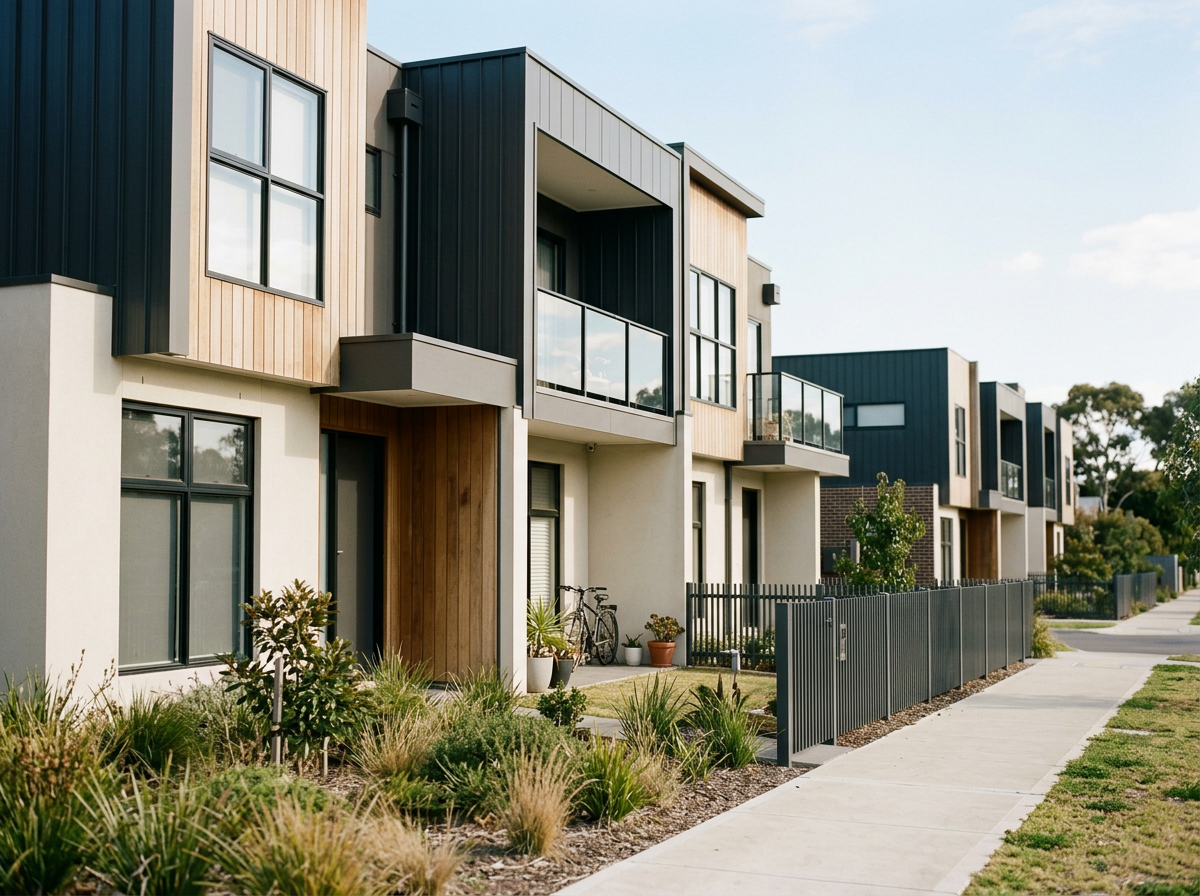
Understand the true condition and future costs before committing capital.
Home sellers
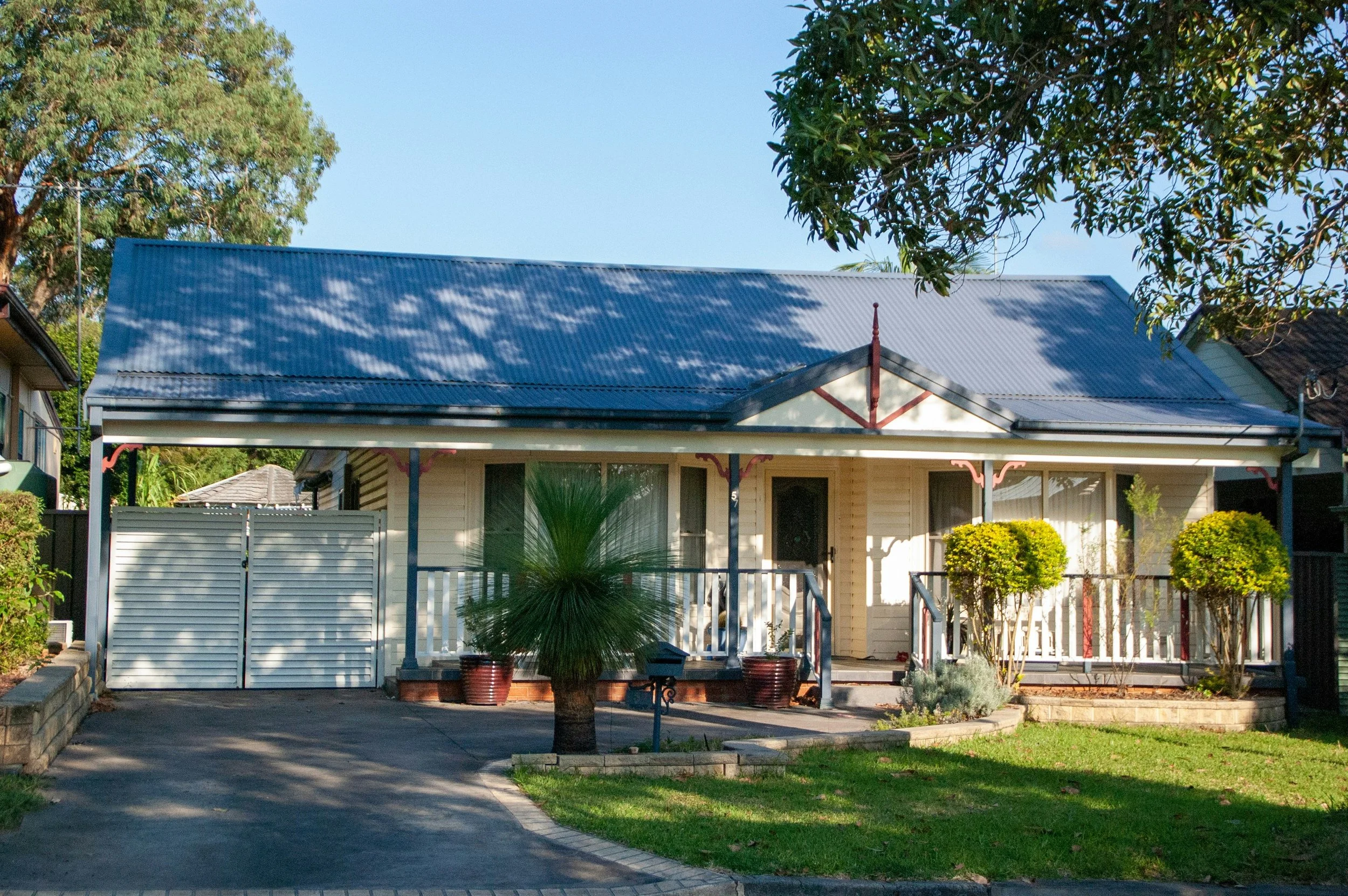
Address issues proactively and present your property with confidence
Existing homeowners
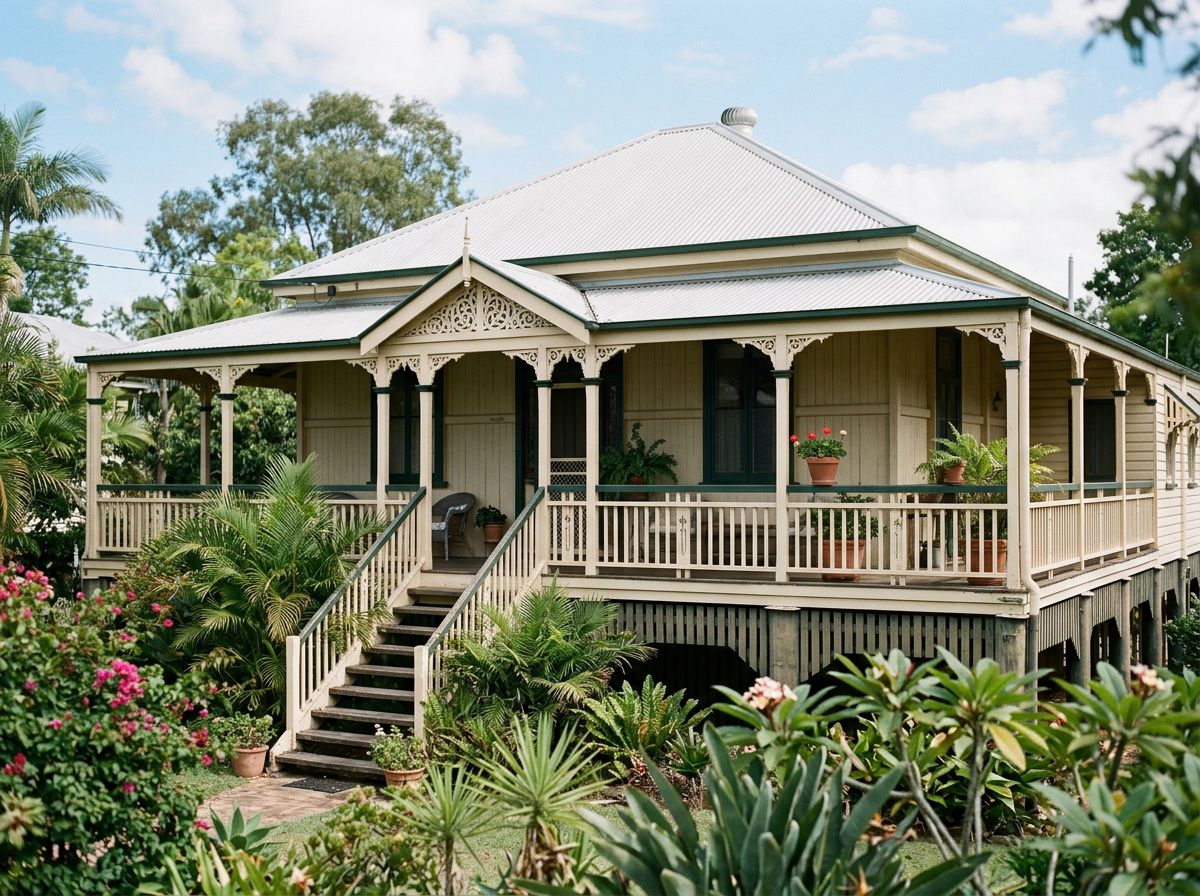
Remain aware of your property’s condition so you can catch any issues before they become major.
Before you Buy, Get the Facts
Arrange a professional building inspection with Astute Building & Pest Inspections today.
Contact us
Interested in working together? Fill out some info and we’ll be in touch shortly. We look forward to hearing from you!