
Pest Inspections
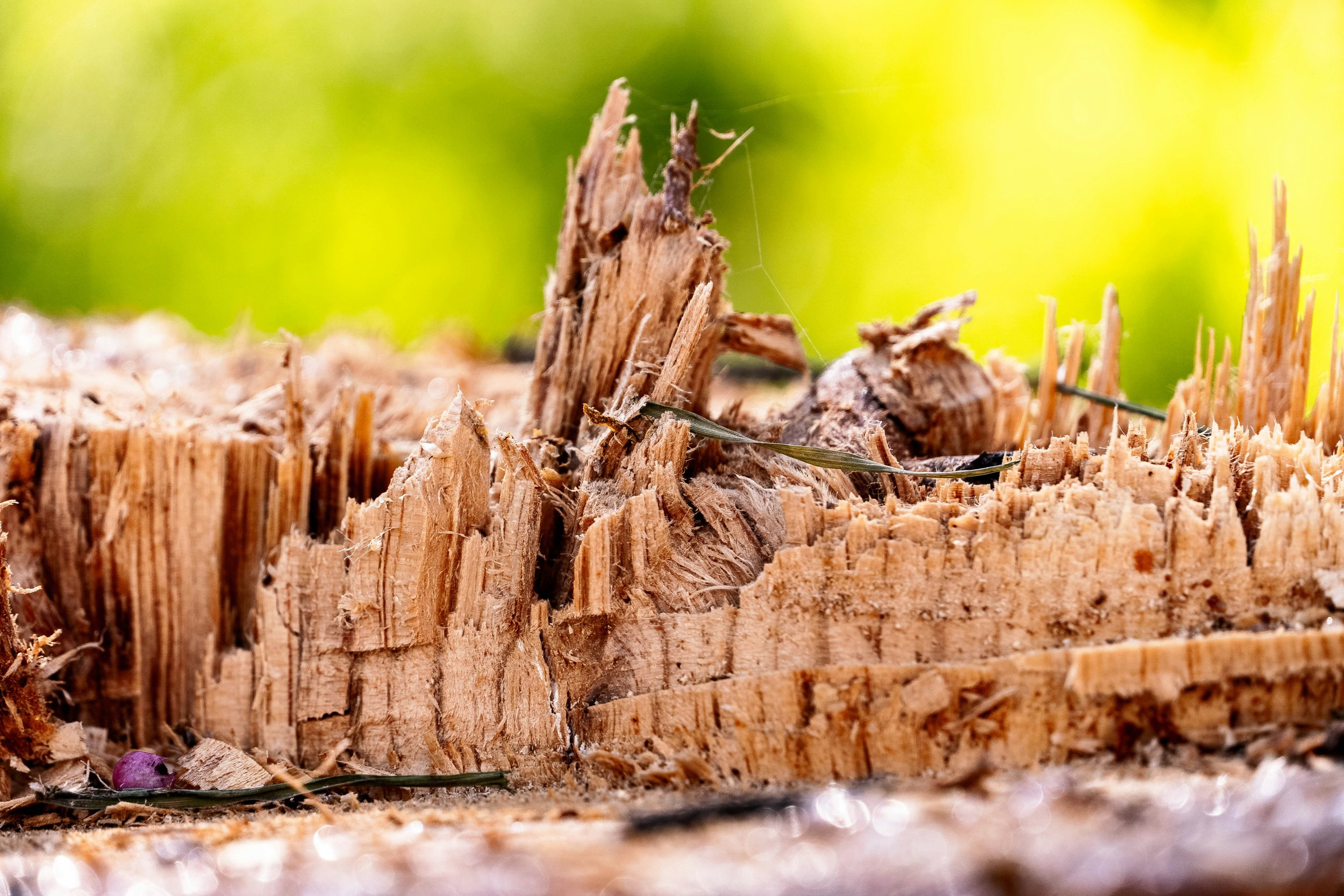
Identify visible termite activity, termite damage, and property conditions that may increase the risk of timber pests.
Introduction
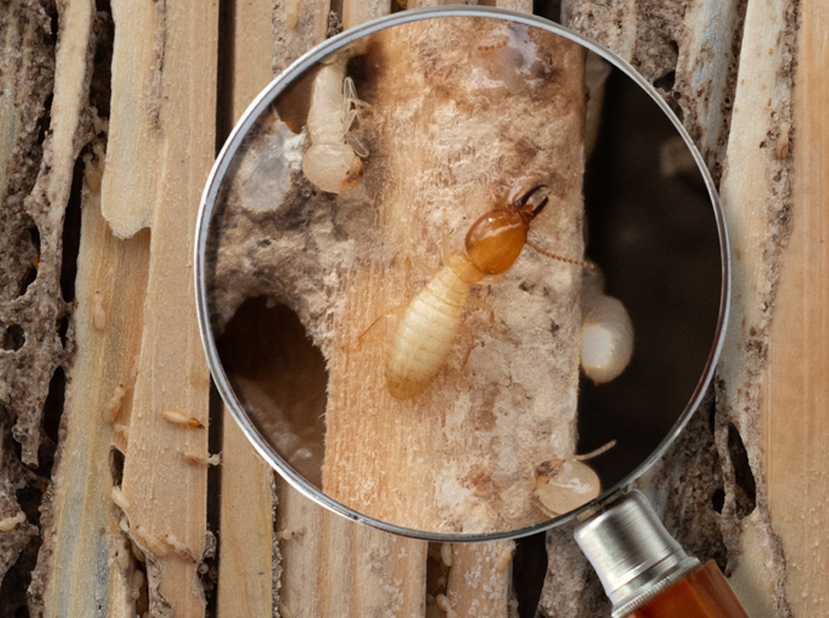
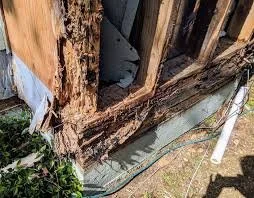
Termites are the silent destroyers. They work 24 hours a day, seven days a week, eating through the structural timbers of your home from the inside out. By the time you see visible damage, the colony has often been established for months — sometimes years. In South East Queensland, the question isn’t whether termites are in your area. It’s whether they’re in your home.
Termites and other timber pests can cause extensive damage long before the signs are obvious. A professional pest inspection helps identify visible evidence of activity, damage, and conditions that may place the property at greater risk. At Astute Building & Pest Inspections, we provide pest inspections that are clear, practical, and focused on helping you make informed decisions.
The Cost of Doing Nothing
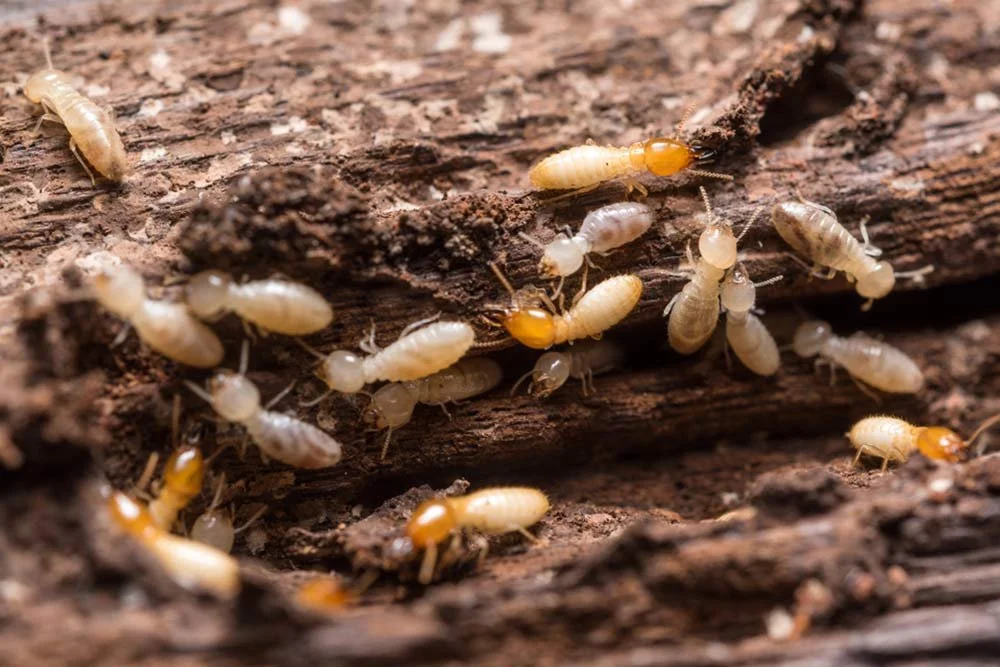
Termites cause an estimated $4 billion in damage to Australian properties every year — more than fire, floods, and storms combined. The average cost of termite damage repair sits around $10,000, but severe infestations can run well into six figures. Here’s the part that catches most homeowners off guard; standard home and contents insurance does not cover termite damage. That makes prevention and early detection the only real protection you’ve got.
What We Inspect
Our Pre-Purchase timber pest inspections are conducted in accordance with Australian Standard AS 4349.3-2010 and cover every safely accessible area of the property and surrounding grounds within 30 metres of the building:
Grounds: Trees, stumps, landscaping timbers, stored timber, and any conditions conducive to termite activity such as poor drainage or soil-to-timber contact.
Roof Exterior: Roof cladding, flashings and penetrations, fascia and eaves, gutters and downpipes.
Exterior: External cladding, weep holes, expansion joints, window and door frames, decks, pergolas, fencing, retaining walls, and garden beds.
Interior: All rooms, walls, ceilings, floors, skirting boards, door frames, window frames, wet areas, and built-in cabinetry.
Roof Space: Timber framing, trusses, rafters, battens, and any visible plumbing or ducting (where safe and accessible).
Sub-Floor: Bearers, joists, stumps, piers, and the underside of flooring.
What We Look For
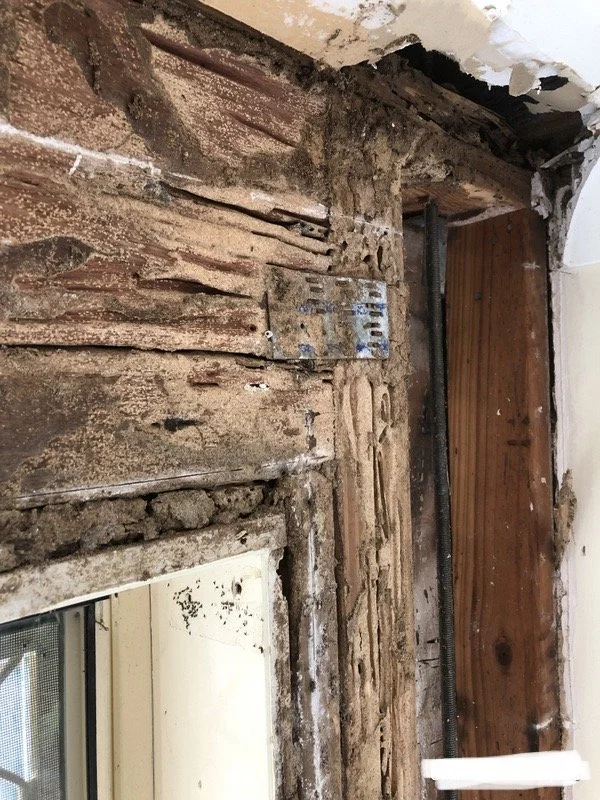
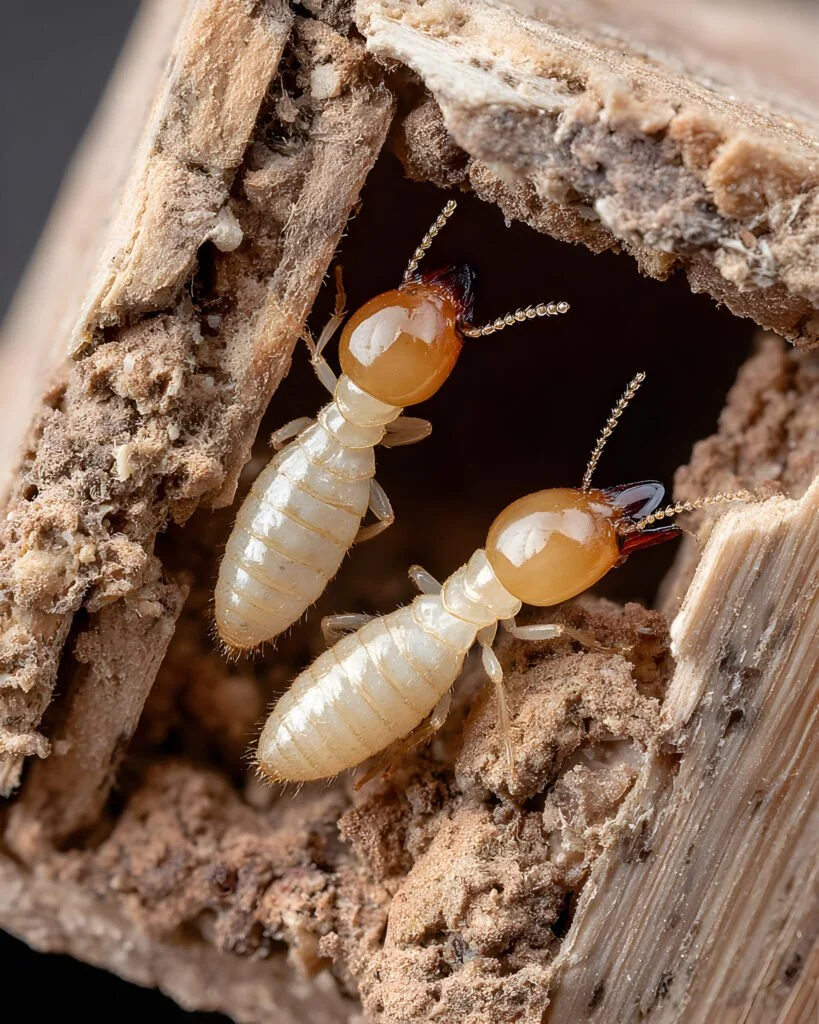
Visible termite activity or evidence of previous infestations
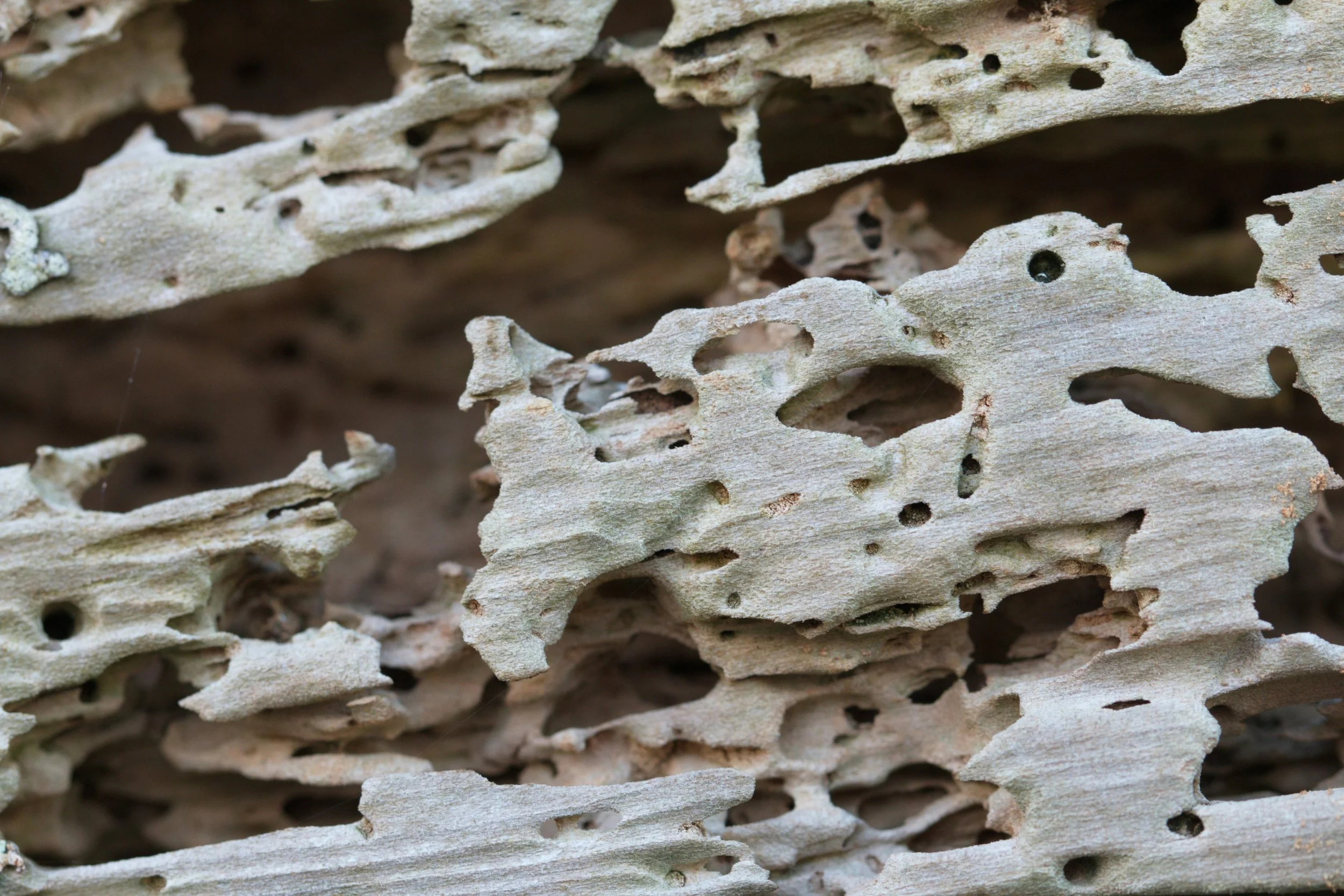
Termite damage to structural and non-structural timbers
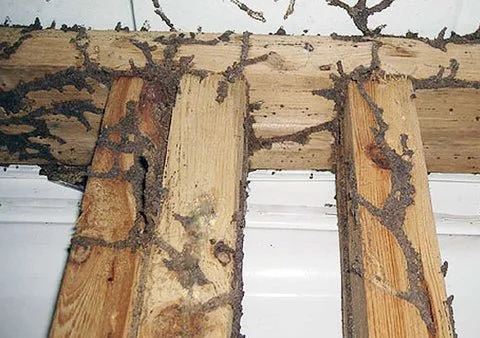
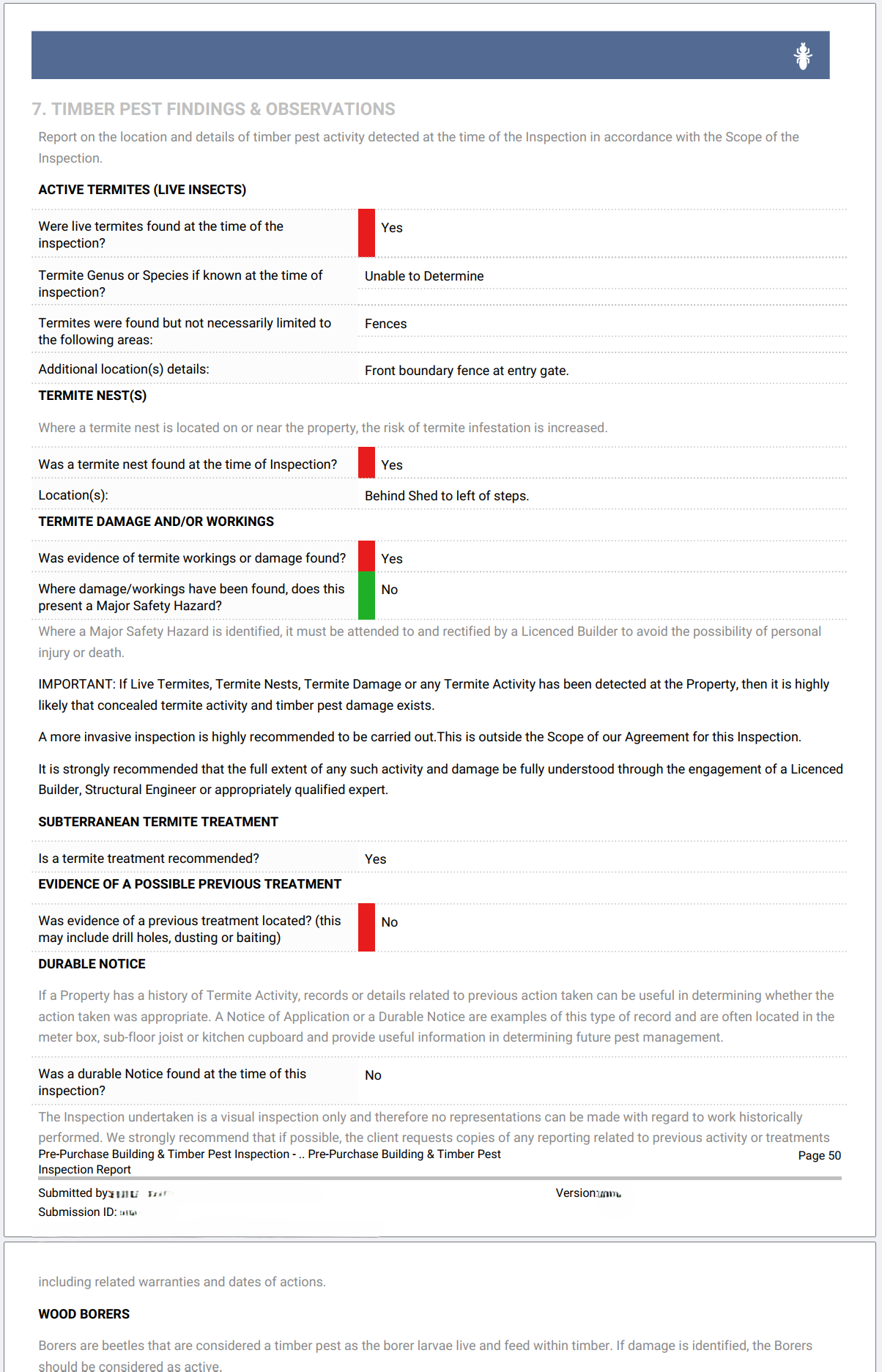
Termite workings such as mud tubes, leads, and shelter tubes
Fungal decay (wood rot) and wood borers
Conditions conducive to future timber pest attack (moisture, drainage issues, soil contact, inadequate ventilation)
Existing termite management systems and their current condition if discernible at the time of inspection
Our Technology
While a good torch and donger remain extremely important tools, every pest inspection includes the use of much more advanced technology:
Thermal Imaging Camera
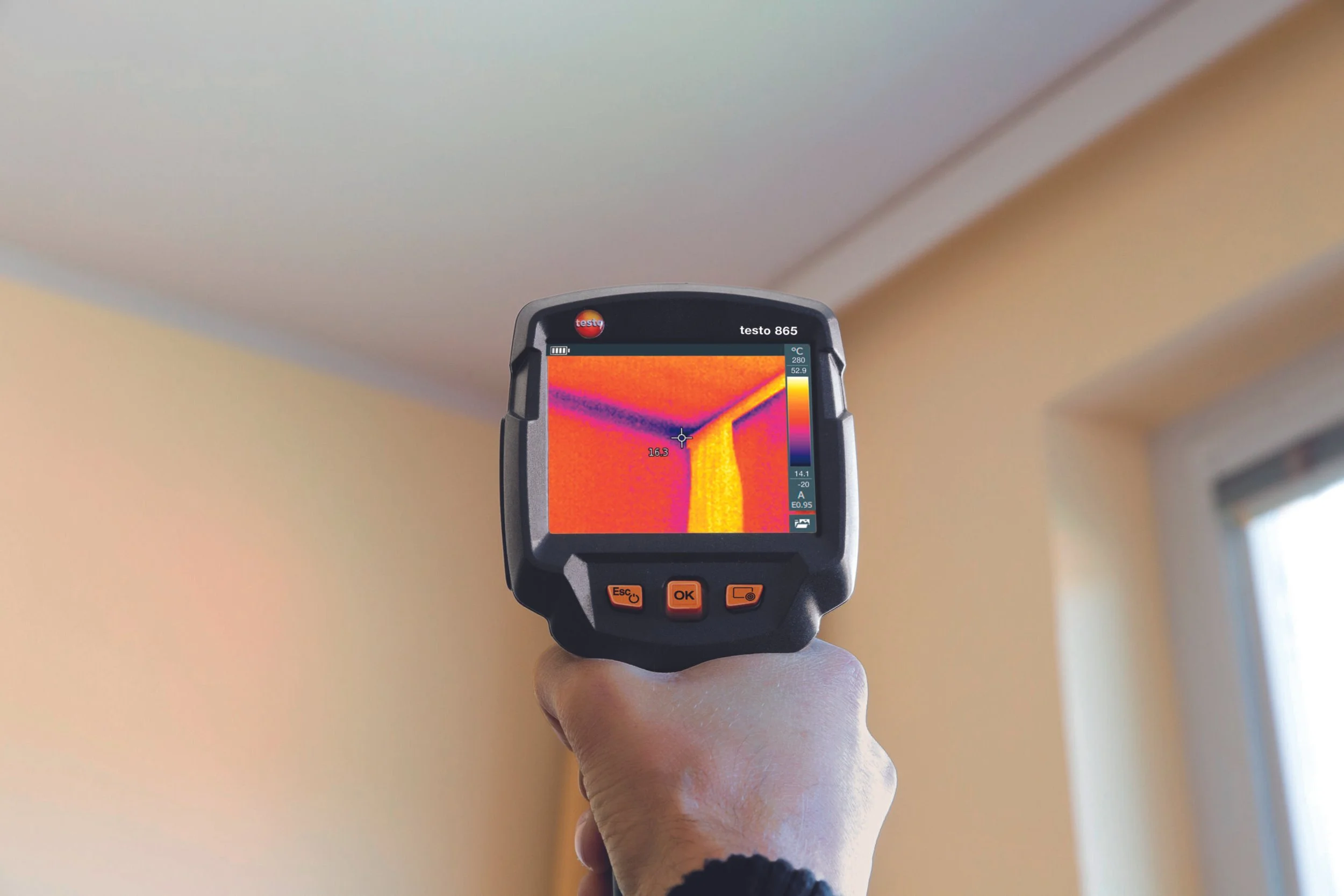
Termite colonies generate heat and retain moisture. Thermal imaging allows us to detect temperature anomalies behind walls, in ceilings, and under floors that indicate possible termite presence — without any damage to the property.
Moisture Meter
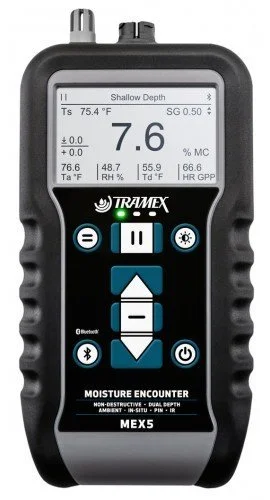
Termites need moisture to survive. Elevated moisture readings in timber or wall linings can be an early indicator of concealed termite activity or conditions that will attract them.
LED Torch
Donger
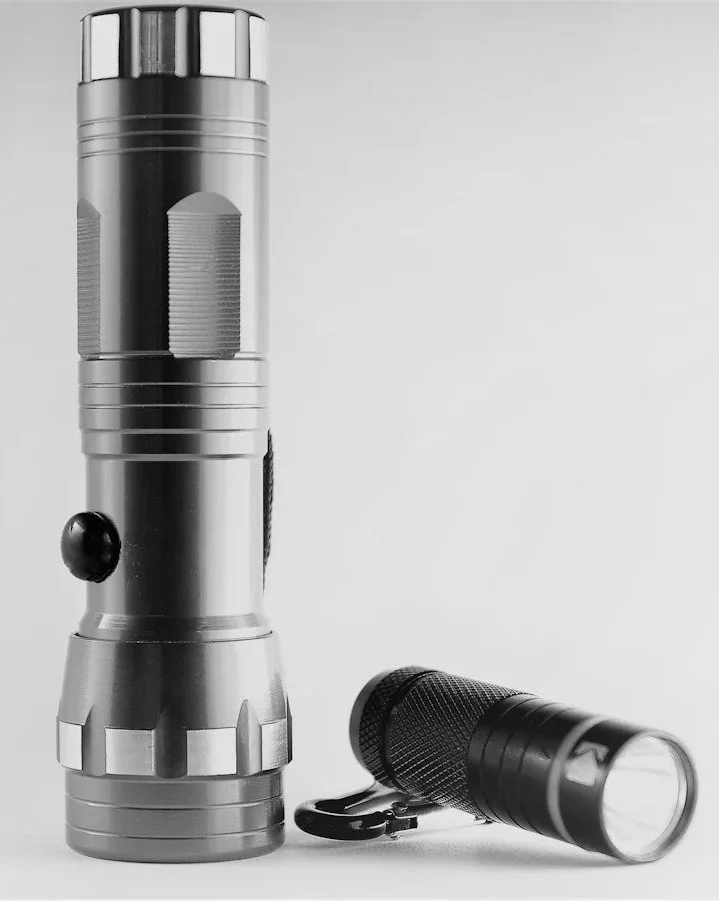
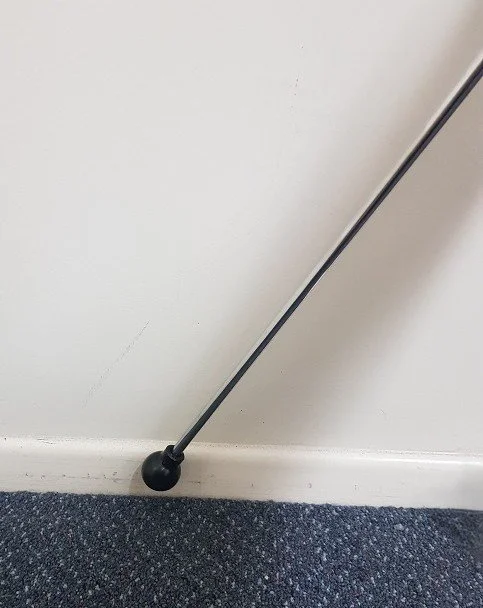
Importantly, we use the right mix of modern and established tools, backed by the knowledge and experience to interpret the results accurately and thoroughly.
Your Report
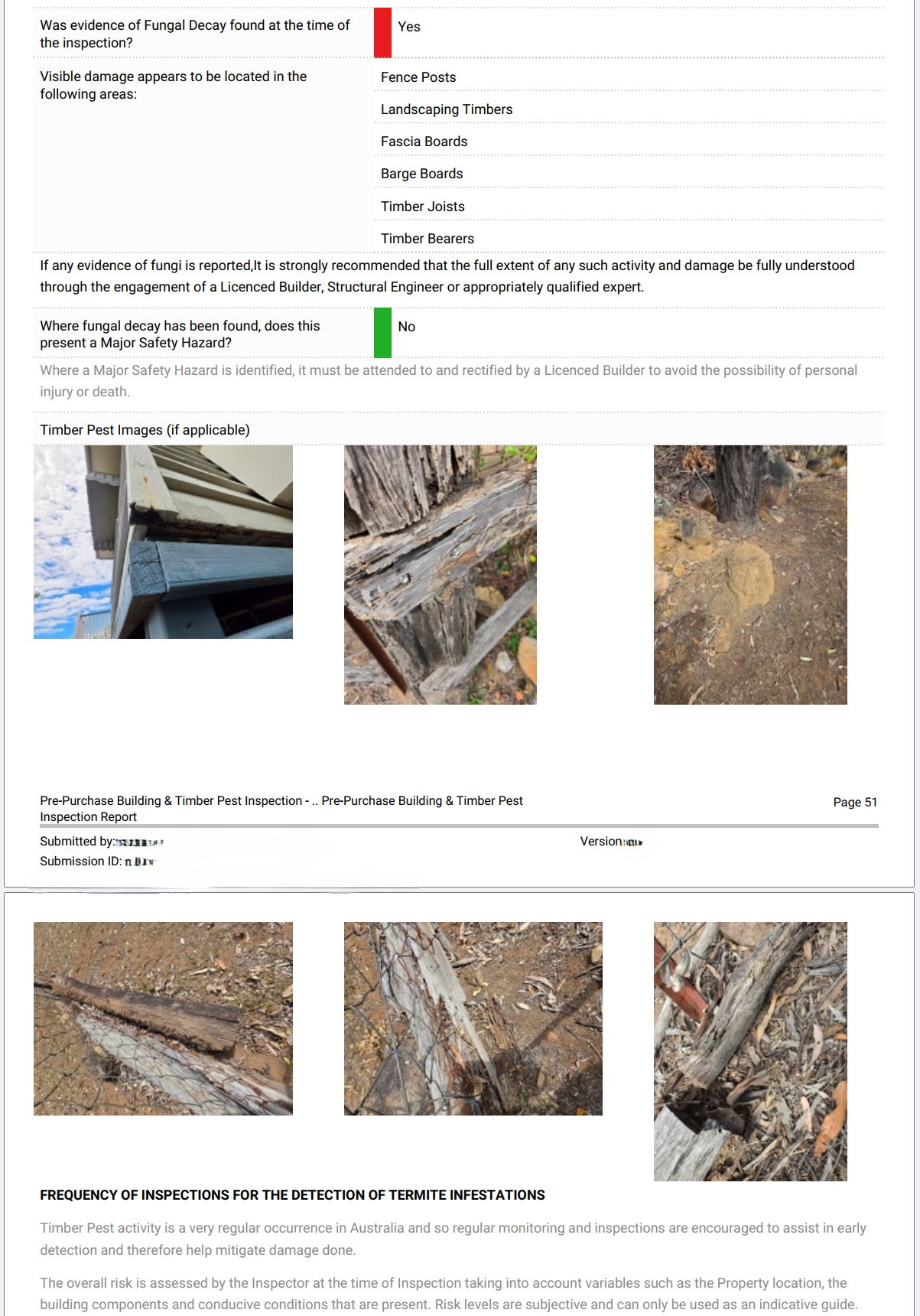
After the inspection, you’ll receive a comprehensive timber pest inspection report within 24 hours. The report includes colour photographs of any findings, a risk assessment, and clear recommendations for treatment or further investigation where required. We also note conducive conditions — issues that don’t represent an active problem today but could invite one in the future.
We’re always happy to walk you through the report by phone or in person. Understanding the findings is just as important as having them documented.
Why It Matters
A pest issue is not always obvious during a standard property viewing. By the time damage is noticed, repair costs can be significant. A pest inspection can help you:
Avoid expensive surprises
Understand the risk profile of the property
Protect the value of your property
Make an informed purchase or sale decision

When Should You Get a Pest Inspection?
Before purchasing any property — this is non-negotiable in Queensland.
Every 12 months — as recommended by Australian Standards and most termite management system manufacturers.
If you notice signs of activity — mud trails, hollow-sounding timber, tight-fitting doors or windows, or discarded wings near windowsills.
After heavy rain or flooding — moisture changes can trigger termite activity.
Worried about termites or other timber pests?
Don’t wait until you can see the damage.
Arrange a professional pest inspection with Astute Building & Pest Inspections today.
Contact us
Interested in working together? Fill out some info and we’ll be in touch shortly. We look forward to hearing from you!